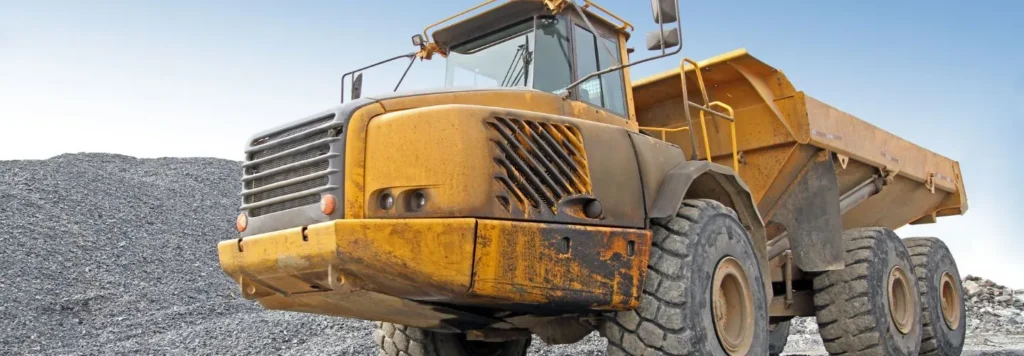
Professional dumper training is an essential step for anyone looking to work safely and efficiently in construction, mining, or industrial environments. Dumpers, also known as site dump trucks, are powerful machines used to transport heavy loads of materials like soil, gravel, and debris. Operating these machines without proper knowledge can lead to accidents, equipment damage, or costly delays. By enrolling in dumper training courses, individuals gain practical skills that not only improve workplace safety but also enhance career opportunities in the construction and civil engineering sectors.
Dumper training goes beyond simply teaching operators how to drive; it covers understanding the machine’s mechanics, safe load handling, and environmental awareness. Trainees learn to assess risk, manage unstable terrain, and respond to potential hazards effectively. With hands-on experience and professional guidance, operators gain confidence in maneuvering these vehicles under different conditions, making dumper training an invaluable investment for both employers and employees.
Understanding the Basics of Dumper Operation
A crucial component of professional dumper training is learning the fundamentals of machine operation. Trainees start with understanding the various types of dumpers, their load capacities, and essential controls. Knowing the specifications of the dumper ensures that operators can handle materials correctly and prevent overloading, which can cause accidents or equipment wear. Training programs often provide detailed demonstrations, allowing learners to see the difference between articulated, rigid, and site dumpers, and when each type is appropriate for specific tasks.
Beyond machinery knowledge, operators learn essential driving techniques such as steering, braking, and reversing safely in congested or uneven sites. Courses emphasize the importance of maintaining balance when carrying heavy loads and adjusting driving patterns based on terrain conditions. This foundational knowledge helps operators develop good habits early, reducing the likelihood of mistakes that could compromise safety or efficiency on site.
Safety Protocols and Risk Management
Safety is at the heart of professional dumper training. Construction sites present numerous hazards, including steep slopes, uneven ground, and proximity to other machinery. Dumper training programs teach operators how to assess potential risks before starting work and implement safety protocols consistently. This includes learning to check brakes, hydraulic systems, and load security, as well as understanding warning signals and site-specific safety rules.
In addition, trainees are educated on emergency procedures, such as what to do in case of tipping or mechanical failure. By practicing scenarios under expert supervision, operators develop the ability to respond quickly and prevent accidents. A strong focus on safety not only protects the operator but also safeguards colleagues and ensures compliance with workplace regulations. This knowledge is invaluable for maintaining a professional reputation and avoiding costly disruptions on construction projects.
Enhancing Efficiency and Productivity
Dumper training also equips operators with techniques to maximize productivity on site. Properly trained drivers can complete tasks faster and with fewer mistakes, which contributes to overall project efficiency. Training covers load distribution, route planning, and optimal speed management to reduce fuel consumption and minimize wear and tear on the machine. Operators learn to handle repetitive tasks with precision, ensuring materials are transported safely and efficiently from one location to another.
Moreover, professional training instills discipline in equipment maintenance. Regular inspection and care for dumpers extend their lifespan and prevent unexpected breakdowns. Operators who understand how to troubleshoot minor issues and perform routine checks can save companies significant repair costs. This combination of efficiency, skill, and machine care highlights why dumper training is a worthwhile investment for any construction or industrial organization.
Legal Compliance and Industry Standards
Another critical aspect of dumper training is understanding the legal requirements and industry standards that govern heavy machinery operation. Many countries have strict regulations for construction equipment, including licensing, operator certification, and safety inspections. Training programs ensure that operators are aware of these rules and can work in compliance with legal standards.
Knowledge of regulations extends to load limits, environmental considerations, and site-specific policies. Operators trained professionally are less likely to encounter fines, shutdowns, or legal complications, making their role more reliable and valuable. Employers also benefit from having certified staff, which demonstrates a commitment to safety, professionalism, and adherence to industry standards. This legal and regulatory awareness is an essential part of the comprehensive skills gained from dumper training.
Practical Hands-On Experience
One of the most significant benefits of professional dumper training is the hands-on experience it provides. Classroom learning alone cannot replicate the challenges of real-world construction sites, where terrain, weather, and material types vary daily. Training centers provide controlled environments where operators can practice maneuvers, handle different loads, and simulate emergency situations under expert supervision.
This experience helps build muscle memory, confidence, and situational awareness. Operators become adept at making split-second decisions, managing heavy loads, and maintaining stability on uneven surfaces. The combination of theory and practical application ensures that trainees leave with a deep understanding of both the machine and the environment in which they work. This practical exposure is essential for anyone seeking a career in construction, civil engineering, or industrial operations.
Career Opportunities and Professional Growth
Completing dumper training opens the door to numerous career opportunities in construction, mining, landscaping, and logistics. Employers value certified operators who can handle equipment safely and efficiently, making trained individuals more competitive in the job market. Additionally, professional training often serves as a stepping stone to advanced machinery courses, such as excavators, telehandlers, or heavy loaders, enabling career progression.
By investing in professional dumper training, individuals not only gain technical skills but also demonstrate a commitment to safety, professionalism, and continuous learning. These qualities enhance employability and can lead to higher wages, promotions, or specialized roles within industrial sectors. The practical knowledge gained is not just about operating a machine; it’s about building a sustainable and rewarding career in a challenging but essential industry.
Conclusion
Professional dumper training offers far more than just the ability to drive a machine; it provides comprehensive skills that enhance safety, efficiency, and career prospects. Operators learn to understand machinery, follow safety protocols, improve productivity, and comply with legal standards, all while gaining valuable hands-on experience. The practical knowledge gained through structured training equips individuals to handle real-world challenges confidently and responsibly.
Investing in dumper training is a smart choice for both employers and employees. It ensures safer workplaces, protects equipment, and prepares operators for a successful career in construction, civil engineering, or industrial operations. For anyone looking to work with heavy machinery, professional training is not just an option—it’s a crucial step toward expertise, safety, and professional growth.
