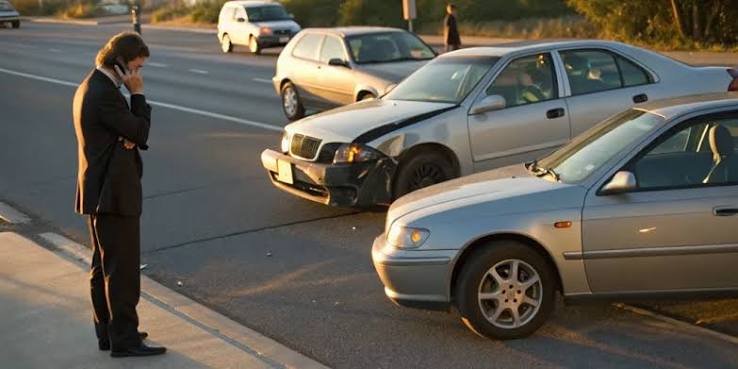
A low speed rear end collision may leave only limited visible damage to the vehicles, but that does not automatically mean the insurance claim will be simple. A rear end collision lawyer can investigate how the crash happened, collect medical evidence, respond to insurance company arguments, and determine whether the injuries and losses support a claim.
Insurance companies often focus heavily on photographs of the vehicles after a minor looking crash. The injured person may then face questions about whether the collision caused any physical harm at all. A lawyer can make sure the claim is evaluated based on the complete evidence rather than one bumper photograph.
Limited Vehicle Damage Does Not Decide the Injury Claim
One of the most common disputes after a low speed rear end collision involves the appearance of the vehicles.
The insurance company may argue that the impact was too minor to cause an injury because:
• The bumper has limited visible damage
• The vehicle was still drivable
• The airbags did not deploy
• No ambulance was called
• The repair estimate is relatively low
These facts may be part of the investigation, but they do not answer every question about the injured person’s physical condition.
A lawyer may review the vehicle photographs together with medical records, doctor reports, witness statements, and other evidence. California Courts identifies photographs, medical bills, doctor reports, witness statements, and police reports as examples of evidence that can support a personal injury case.
Symptoms May Not Be Fully Clear at the Scene
Immediately after a collision, some people are focused on moving their vehicle, exchanging insurance information, speaking with police, or getting home.
Symptoms may also change after the initial stress of the accident.
An injured person may later experience problems involving the:
• Neck
• Back
• Shoulders
• Head
• Knees
• Other parts of the body
The seriousness of any injury should be determined through appropriate medical evaluation rather than assumptions based only on the speed of the vehicles.
The California Department of Insurance recognizes that even a small fender bender can lead to an insurance claim and recommends knowing what to do after any accident.
Insurance Companies May Question Delayed Treatment
After a low speed crash, a person may initially hope the pain will disappear without treatment.
When medical care begins later, the insurance company may argue that:
• The injury was not serious
• The accident did not cause the symptoms
• Another event caused the condition
• The treatment was unnecessary
A lawyer can review the complete timeline.
Important information may include when symptoms first appeared, when they became worse, what the injured person did before seeking treatment, and what medical providers later found.
Accurate records are important. A claim should reflect what actually happened rather than exaggerating symptoms or pretending treatment began earlier than it did.
Prior Injuries Can Become a Major Issue
Insurance companies often ask about previous neck, back, or shoulder problems.
A prior condition does not automatically mean that a new collision caused no harm.
The investigation may compare:
• Symptoms before the crash
• Treatment before the crash
• Symptoms after the crash
• New medical findings
• New physical limitations
• Changes in the need for treatment
A new accident may cause a separate injury or worsen an existing condition.
An attorney can organize the medical history so the insurance company does not simply point to an old record and ignore what changed after the new collision.
The Lawyer Preserves Evidence About the Accident
Low speed accidents can still involve disagreements about how the collision happened.
The other driver may admit responsibility at the scene and later give a different account. An insurer may argue that the injured person stopped suddenly or contributed to the crash.
Useful evidence may include:
• Vehicle photographs
• Accident scene photographs
• Dashcam footage
• Surveillance video
• Witness statements
• Police reports
• Repair records
California Courts identifies photographs, videos, witnesses, medical bills, and business records as examples of evidence that may help prove a civil claim.
Collecting this information early can help prevent the claim from becoming a contest between two conflicting stories.
A Lawyer Reviews the Insurance Company’s Offer
Some insurers make relatively quick offers after accidents that appear minor.
The offer may arrive before:
• Medical treatment is complete
• All medical bills are available
• The injured person knows how long symptoms will continue
• Lost income has been fully documented
• Future treatment has been evaluated
A lawyer can compare the offer with the actual evidence and losses.
The California Department of Insurance explains that an adjuster investigates and evaluates the damage and losses involved in an automobile claim.
The injured person should still understand what the offer covers before agreeing to a final settlement.
Medical Bills Are Only One Part of the Claim
The value of a low speed collision claim should not be calculated simply by adding the medical bills.
Depending on the facts, losses may involve:
• Medical expenses
• Lost income
• Ongoing treatment
• Pain and suffering
• Temporary physical limitations
• Emotional distress
A person who performs physical work may be affected differently from someone whose job is less physically demanding.
The length of the recovery and the effect on everyday activities can also matter.
California Courts recognizes that personal injury claims may involve medical expenses, lost wages, emotional harm, and other losses caused by the injury.
Some Low Speed Claims Become Highly Disputed
The smallest looking accidents can sometimes create some of the strongest insurance disputes.
The insurer may challenge:
• Whether the crash caused an injury
• Whether treatment was necessary
• Whether symptoms came from a prior condition
• Whether the injured person waited too long to seek care
• Whether the amount of treatment was reasonable
A lawyer can identify the exact arguments being made and determine what evidence may answer them.
This is often where legal help becomes useful. The issue is not that every minor collision requires a lawsuit. The issue is that an injured person may need to respond to arguments they did not expect when the claim began.
A Lawsuit Is Not Necessary in Every Case
Hiring an attorney does not mean that every low speed rear end collision will go to trial.
Many claims are handled through investigation and settlement negotiations.
The attorney may:
• Collect evidence
• Review medical treatment
• Communicate with the insurance company
• Prepare a settlement demand
• Negotiate an offer
Litigation may become necessary when the insurance company continues denying responsibility or refuses to consider evidence supporting the injuries.
The right approach depends on the facts and value of the individual case.
Contact a Rear End Collision Lawyer After a Low Speed Crash
A rear end collision lawyer can help when an insurance company tries to dismiss a claim simply because the vehicles show limited visible damage. The attorney can investigate the accident, review the medical evidence, address prior injury arguments, and determine whether a settlement offer reflects the actual losses caused by the crash.
Bojat Law Group represents people injured in low speed rear end collisions and other serious accidents throughout Southern and Central California. The firm handles car accidents, truck crashes, motorcycle accidents, Uber and Lyft accidents, pedestrian accidents, catastrophic injuries, traumatic brain injuries, and wrongful death cases.
Bojat Law Group has recovered more than $100 million for clients, including a $1.25 million rear end accident recovery. Past results do not guarantee the outcome of another case.
Call Bojat Law Group at (818) 877-4878 for a free consultation about your rear end collision claim. The firm is available 24 hours a day, 7 days a week, and there is No Win No Fee, which means you pay no attorney fee unless compensation is recovered.
