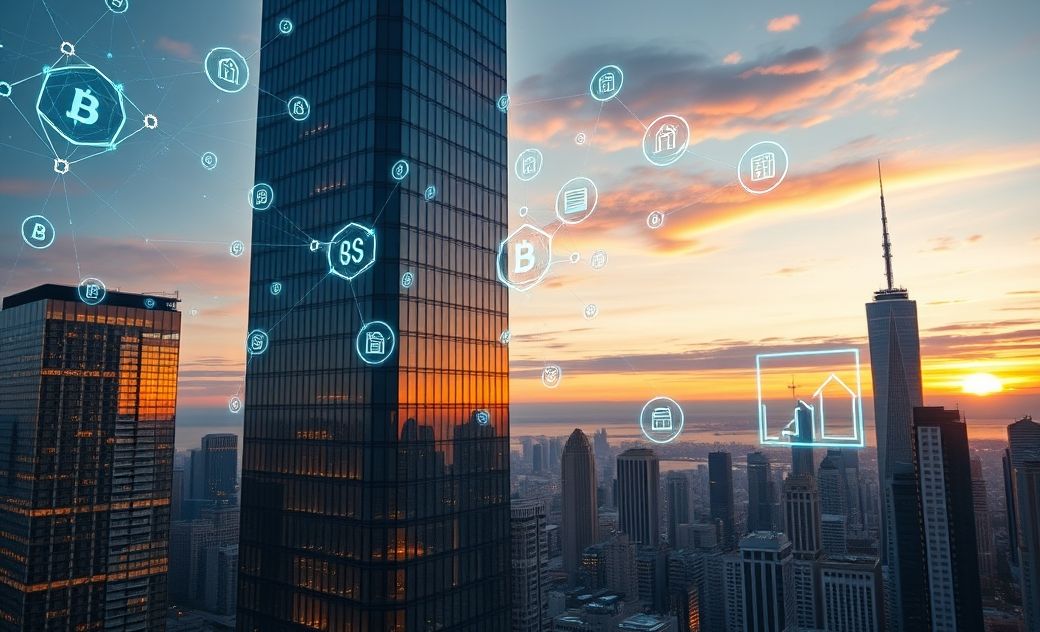
The real estate market is undergoing a profound transformation due to the advent of blockchain technology. This revolutionary innovation is redefining how properties are bought, sold, and managed, promising increased transparency, security, and efficiency.
Enhancing Transparency and Security
Blockchain technology is fundamentally changing the real estate sector by enhancing transparency and security. Traditionally, the process of buying and selling properties has been riddled with opacity, where the lack of clear and accessible information often leads to mistrust among parties. Blockchain addresses these issues by providing a decentralized and immutable ledger.
Immutable Records
Blockchain ensures that once data is recorded, it cannot be altered. This immutability ensures that property records remain secure from tampering and fraud, subsequently building trust among buyers, sellers, and intermediaries.
Smart Contracts
Smart contracts automate contractual agreements, executing transactions only when predefined conditions are met. This reduces the need for intermediaries, minimizes errors, and cuts transaction times, fostering a more seamless real estate process.
Streamlining Property Transactions
The traditional process of real estate transactions is often slow and cumbersome. Blockchain technology offers solutions that streamline these processes, allowing for more efficient property transactions.
Reduced Intermediaries
By utilizing blockchain, the dependence on intermediaries such as brokers, escrow agents, and banks can be reduced. This not only diminishes transaction costs but also accelerates the buying and selling process by significantly shortening the time required for due diligence.
Tokenization of Real Estate
Blockchain enables the tokenization of real estate assets, allowing properties to be divided into smaller digital tokens. This makes high-value properties accessible to a broader range of investors by allowing fractional ownership, thus increasing liquidity in the market.
Improving Data Management and Accessibility
One of the considerable advantages of blockchain is its ability to manage and store vast amounts of data securely and make it accessible in real-time. This feature holds immense potential for the real estate industry.
Decentralized Databases
With blockchain, property-related data can be stored in a decentralized manner, which reduces the risk of data loss and unauthorized access. This transparency and accessibility enhance the overall decision-making process for all stakeholders involved.
Real-time Data Access
Blockchain allows for instantaneous access to updated and accurate data, facilitating quicker and more informed decisions. This real-time availability of data reduces the risk of errors that arise from outdated information.
Globalization of the Real Estate Market
Blockchain is also playing a crucial role in the globalization of the real estate market. By eliminating geographical barriers, it allows investors from anywhere in the world to participate in property markets beyond their local areas.
Cross-border Transactions
Blockchain simplifies cross-border real estate transactions, eliminating the complexities and regulatory challenges traditionally associated with international property investments. This creates a more globalized and interconnected real estate market.
Lowered Entry Barriers
By enabling fractional ownership and simplifying transaction processes, blockchain lowers the entry barriers for new investors. This democratization of real estate investment opens up opportunities for a diverse range of individuals to participate in this lucrative market.
Overall, blockchain technology is paving the way for a more transparent, secure, and efficient real estate market. Its ability to decentralize data management, streamline transactions, and globalize investments stands to revolutionize the industry, making real estate more accessible and equitable for everyone involved.
