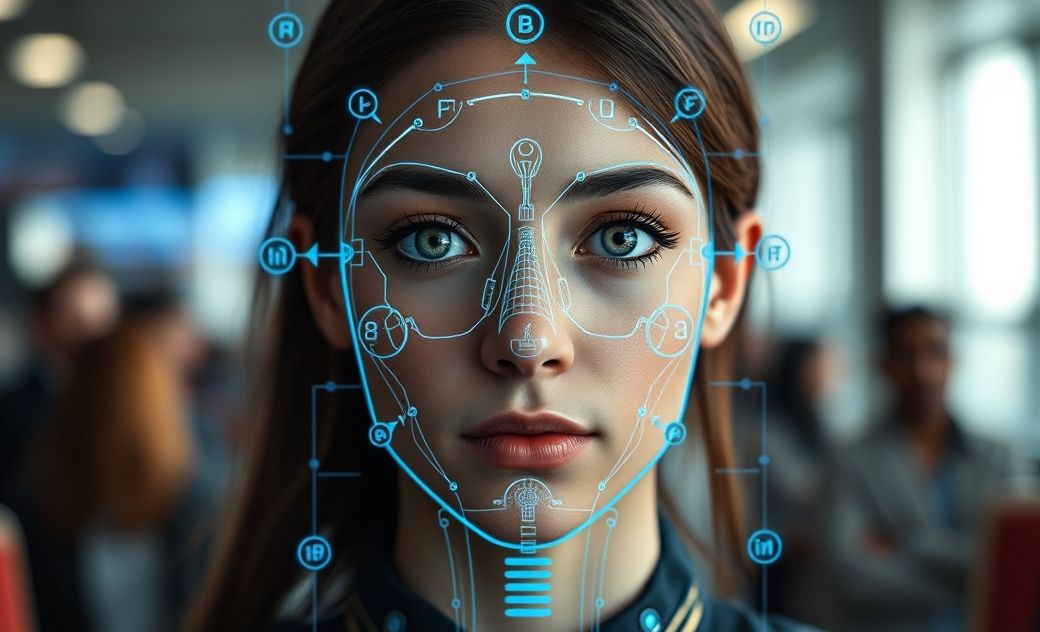
In recent years, the integration of artificial intelligence (AI) and facial recognition technology has sparked significant ethical debates. As these advancements continue to permeate various aspects of everyday life, ranging from security systems to smartphone features, it becomes increasingly crucial to examine the ethical implications associated with their use.
The Growing Prevalence of Facial Recognition
Facial recognition technology has gained widespread popularity due to its ability to enhance security and improve user interactions with technology. Governments, businesses, and individuals have adopted this tool for various purposes, from border control to unlocking personal devices.
Security Applications
One of the most prominent uses of facial recognition is in law enforcement and surveillance. This technology is employed to swiftly identify and track individuals, aiding in crime prevention and national security efforts. However, its pervasive use raises concerns about privacy violations and potential misuse by authorities.
Consumer Applications
On a consumer level, facial recognition is often integrated into smartphones and social media platforms to facilitate user authentication and enhance experiences through personalized content and advertisements. While the convenience of these features is undeniable, they also pose questions about data security and the extent to which personal information is collected and used.
Privacy Concerns and Data Handling
As facial recognition technology becomes more embedded in society, the issue of privacy looms large. The ability to capture, store, and analyze facial data can lead to unauthorized surveillance and data breaches.
Data Storage and Security Risks
Organizations utilizing facial recognition technology must address the critical issues related to data storage and security. The vast amounts of sensitive data collected raise questions about how it is stored, who has access to it, and the measures taken to protect it from cyber threats. Ensuring data is encrypted and securely managed is vital for maintaining public trust.
Informed Consent
Another ethical consideration is the need for transparent and informed consent from individuals whose data is collected. Users should be fully aware of how their facial information will be used and have the opportunity to consent or opt-out. Clear policies and user agreements are necessary to uphold individuals’ rights and maintain ethical standards in facial recognition deployment.
Bias and Discrimination
AI systems, including those used for facial recognition, are susceptible to bias, which can result in unfair treatment and discrimination.
Algorithmic Bias
Facial recognition algorithms are only as objective as the data they are trained on. Biases present in training datasets can lead to inaccurate and skewed results, particularly for minority groups. This can manifest in disparities in facial recognition accuracy among different demographics, raising concerns about racial and gender bias.
Mitigating Bias in AI
To address these challenges, developers must invest in creating diverse, representative datasets and continuously audit algorithms for bias. Incorporating multidisciplinary approaches and involving stakeholders from diverse backgrounds can aid in producing more equitable technology.
Legal and Regulatory Oversight
The rapid advancement and deployment of facial recognition technology necessitate robust legal and regulatory frameworks to guide its ethical use.
Existing Regulations
Various countries are grappling with establishing guidelines to govern the use of facial recognition. Regulatory approaches differ significantly, with some nations implementing strict data protection laws, while others lack comprehensive regulations. Setting international standards can ensure consistency and uphold ethical benchmarks globally.
Future Directions
As technology continues to evolve, legislation must adapt to address emerging ethical concerns. Ongoing dialogue among policymakers, tech companies, and civil society is essential to forge a path that balances technological advancement with ethical responsibility.
In conclusion, the ethical debate surrounding AI and facial recognition technology is complex and multifaceted. While these technologies offer undeniable benefits, addressing their ethical implications is crucial in safeguarding privacy, preventing bias, and ensuring responsible use. Through careful regulation, transparent practices, and commitment to ethical standards, society can harness the potential of facial recognition while respecting individual rights and freedoms.
