Introduction
Your smartphone’s fingerprint sensor is designed to provide a convenient, accurate, and consistent way to access your mobile device, but while it doesn’t always work, it can be very frustrating Common issues include slow or failed unlocks, or perhaps random unlocks, especially with multiple low-performance sensors. These optical sensors use current technology, and as an end result, any small discrepancy, dust, or software error can cause problems. Knowing what’s causing the discomfort is key to fixing it and moving on to futile replacements.
Having accurate equipment and records is much more important in the production of treatments. DIY repairmen and people seeking specialized services need to handle sensitive components containing optical fingerprint sensors. An optical fingerprint calibrator and dustless cleaning plates are an important part of the process to ensure the sensor is working properly. In this newsletter, we discover the reasons why your fingerprint sensors may not be working, how the fingerprint sensors are adjusted and what you can do to get it running appropriately and quickly once again.
Common causes of fingerprint sensor failure
Fingerprint sensor failures can be caused by a variety of things that don’t require complicated repairs. A frequent culprit is dirt, oils, and debris on display. Optical sensors use light to detect fingerprints, so potential obstructions can invade the scan. Small amounts of dust or fingerprints can also infer that the fingerprint is Unresponsive, making it difficult to remove your device.
Another anomaly is no need for damage or track options. If you are currently changing the display of your mobile phone, the fingerprint sensor will not fit on the new display. This is not uncommon, especially with Beneath-Show fingerprint sensors that want to be carefully tuned for the chosen overall performance. Software bugs, firmware, or improper calibrations could also be to blame, so make sure to encounter hardware and software problems before proceeding.
Optical Fingerprint Technology Understanding
Optical fingerprint sensors use light to apply your fingerprint. As you make contact with the screen, the sensor highlights the ridges and valleys of your fingerprint, creating a virtual depiction for seeking authentication. This generation wants a smooth bottom and outstanding alignment in the sensor and show it working.
The creation of fingerprint structures under the display made the phones thinner, but the repairs became extra difficult.
The importance of proper cleaning and maintenance
It is important to clean the device before it causes the sensor to malfunction. The display can essentially collect dust, sweat, and oils across the sensor. While you may think that using a particular ingredient or tissue is enough, this may not be powerful or even counterproductive in certain cases.
This is where Dustless Cleaning Swabs are important. They are used to intuitive sensitive electronics without leaving any hint or solder on the outside. Thorough cleaning of the sensor with the appropriate tool can restore operation to normal without nearly as much movement. Cleaning is not the simplest, but increases the overall performance, but additionally extends the life of your device’s fingerprint sensor.
Optical Fingerprint Alignment and Measurement Procedure
If cleaning does not restore the disturbance, the following are troubleshooting steps to ensure proper alignment and calibration. The optical sensors must be placed correctly on the bottom surface of the display. A shifted or misaligned display can also cause discrepancies with the scan range of the sensor. This may result in the popularity of unreliable or inoperable fingerprint sensors.
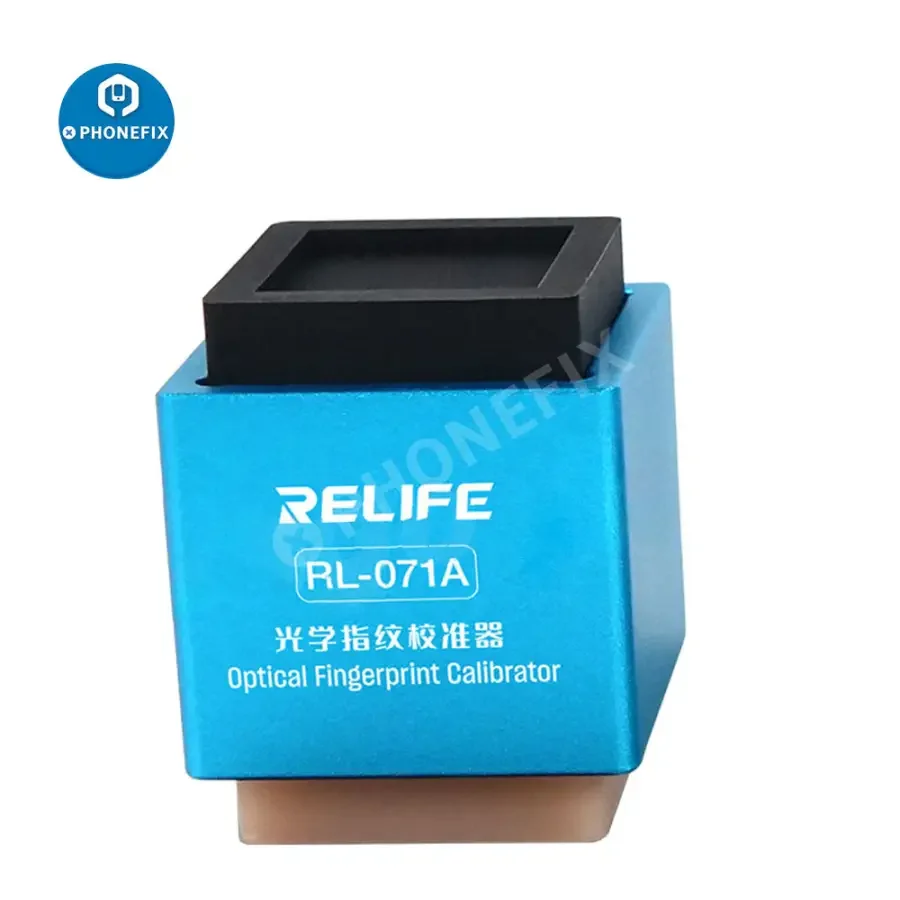
An Optical Fingerprint Calibrator can be used to properly align the sensor. It helps to tune the sensor and ensures that it actually works with the application on your mobile device. Fingerprint calibration is important when replacing or repairing screens to ensure top-rated performance when replacing equipment. If calibration is not performed, even efficiently located and installed sensors will not function reliably.
When Should You Consider Fingerprint Sensor Replacement
If cleaning and calibration do not help, the sensor may be faulty. The sensor could be broken, manufacturing defect, or moisture. In this example, the fingerprint sensor may additionally need to be replaced. But this should be done with caution, especially on the latest smartphones where additives are carefully integrated.
The optical fingerprint sensor option must be completed in a clean managed environment, with appropriate equipment. Make sure it is mileage compatible with your phone model and set it up correctly. Investing in remarkable repair tools and optional elements can ensure a successful restoration, bringing the device down to the most desirable state without further hassle.
Choosing the Right Tools for DIY Repairs
If you decide to repair your personal appliances, it’s important to have the right equipment. Mobile phone maintenance these days requires precision, especially when working with tactile add-ons equipped with fingerprint sensors. Using outstanding equipment ensures first-class maintenance and prevents possible damage when attempting to repair the machine.
Along with diyfixtool, the sites offer quite a few tools for repairing touch components on smartphones. Cleaning tools, straightening tools and extra help make maintenance less difficult and extra efficient. Whether you’re calibrating a sensor or completely changing it, having the right tools will ensure each method is accurate.
Conclusions:
Fingerprint sensor problems can be a supply of frustration, however they are usually treatable. Whether it’s improvement, measurement, or alternatives, the first step is to identify a problem to solve it. Although optical fingerprint sensors are state-of-the-art, they still want to be effectively maintained and measured in images, especially in modern down-performance gadgets .
Equipped with an optical fingerprint meter and dustless cleaning plug, you can troubleshoot and troubleshoot, and put your equipment down for a run without useless charges Deciding on your own to renew the problem or take it to a consultant, element flavors, cleanliness and stability provide long-term solutions.
