Every drive exposes a vehicle to small hazards that can gradually affect its exterior. Loose gravel, road debris, insects, dirt, and environmental contaminants constantly come into contact with painted surfaces. While careful driving and regular cleaning are important, they cannot prevent every mark or chip. This is where paint protection film for cars can become a valuable part of an exterior care strategy.
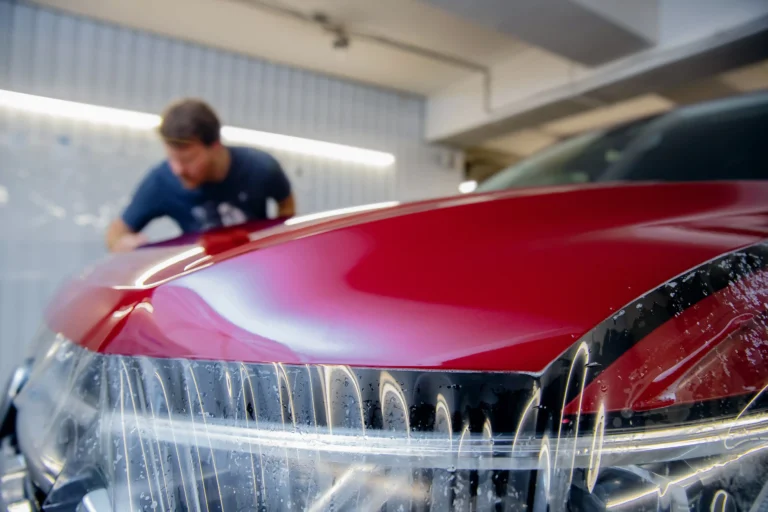
Paint protection film, often known as PPF, is a transparent layer applied over selected painted surfaces. Its purpose is straightforward: create a physical barrier between the paint and many everyday sources of minor damage.
For drivers interested in maintaining their vehicle’s original appearance, understanding how PPF works can make it easier to decide whether this type of protection is appropriate.
Why Vehicle Paint Needs Additional Protection
Automotive paint may look durable, but everyday driving creates constant exposure. Even a vehicle that is cleaned regularly can develop chips, light marks, and other imperfections over time.
The front of the vehicle is particularly vulnerable because it directly encounters debris while travelling.
Highway Driving Creates Repeated Exposure
At higher speeds, even small pieces of debris can strike painted surfaces with noticeable force. Drivers who spend considerable time commuting on highways may encounter this situation regularly.
The effects often develop gradually rather than appearing as one major incident.
Environmental Contamination Also Matters
Insects, bird droppings, tree residue, dirt, and other contaminants can settle on exterior surfaces. Prompt cleaning remains important, even when protective film is present.
PPF adds another layer of separation but does not eliminate the need for regular vehicle maintenance.
How Paint Protection Film for Cars Works
Unlike treatments that sit on the surface primarily to influence gloss or water behaviour, paint protection film for cars provides a physical layer over the paint.
The underlying colour remains visible because the film is transparent. When properly installed, the goal is for the protection to integrate neatly with the vehicle’s existing appearance.
Protection Is Applied Strategically
PPF does not necessarily have to cover every painted panel.
Some drivers concentrate protection on high-exposure areas, while others prefer broader coverage. The appropriate choice depends on driving habits, vehicle use, and personal priorities.
Those exploring professional vehicle paint protection can consider which areas of their vehicles experience the greatest daily exposure before deciding on coverage.
High-Impact Areas Worth Considering
Certain parts of a vehicle tend to encounter road debris more frequently than others.
Front Bumper
Because the bumper faces directly into the direction of travel, it commonly encounters insects, dirt, stones, and other road debris.
For many drivers, it is one of the first areas considered for paint protection film for cars.
Hood
The hood presents a relatively large painted surface near the front of the vehicle. Depending on its shape and driving conditions, it can be vulnerable to small chips and marks.
Front Fenders and Mirrors
Front fenders and side mirrors can also receive significant environmental exposure. Mirrors are especially noticeable because they project outward from the vehicle body.
Protecting these areas can form part of a targeted approach rather than automatically covering the entire exterior.
Preparation Can Influence the Final Result
PPF should be applied to a properly prepared surface.
Dirt, residue, and contamination can interfere with the appearance of the installation. Existing imperfections may also remain visible underneath transparent film.
Cleaning Comes First
Thorough cleaning helps create a suitable foundation for installation. Small contaminants that might be insignificant during an ordinary wash can become more noticeable when trapped beneath film.
Paint Condition Should Be Evaluated
If a vehicle already has visible surface defects, owners may want to evaluate them before applying paint protection film for cars.
PPF protects the surface beneath it; it does not automatically repair existing scratches, chips, or damaged paint.
PPF and Regular Vehicle Maintenance
Installing protective film does not mean maintenance can stop.
The vehicle will continue to become dirty, and contaminants will still settle on the film. Regular washing helps maintain a clean appearance and prevents unnecessary buildup.
Gentle Cleaning Is Important
Aggressive scrubbing is unnecessary for routine maintenance. Careful washing and drying can help preserve the condition of protected areas.
Particular attention should be given to film edges during cleaning. Avoid repeatedly picking or applying unnecessary force around these sections.
What Paint Protection Film Cannot Prevent
Understanding limitations is just as important as understanding benefits.
Paint protection film for cars can provide useful protection against many forms of everyday exposure, but it cannot make a vehicle damage-proof.
A significant collision, deep scratch, severe impact, or dent can still damage the vehicle. Likewise, uncovered areas remain directly exposed to normal road conditions.
PPF should therefore be considered preventive protection rather than a guarantee against every possible type of exterior damage.
Who May Benefit Most From PPF?
Drivers have different reasons for considering protective film.
Someone with a long daily highway commute may value protection because of frequent road-debris exposure. An owner who parks outdoors or drives extensively may also appreciate an additional barrier over vulnerable areas.
Vehicle enthusiasts who place particular importance on preserving exterior appearance can consider paint protection film for cars early in their ownership rather than waiting until numerous chips appear.
Think About How You Actually Drive
A practical decision begins with your driving routine.
Consider the roads you travel, how frequently you drive, where the vehicle is parked, and which panels experience the most exposure. These factors can help determine how much coverage makes sense.
Choosing Between Targeted and Broader Coverage
More coverage is not automatically the right answer for everyone.
Targeted protection can focus on areas that receive the greatest exposure. Broader coverage may appeal to drivers who want more painted surfaces protected from everyday hazards.
The decision should reflect actual needs rather than simply choosing the largest possible coverage area.
Conclusion
Paint protection film for cars offers drivers a preventive way to help preserve painted surfaces against common road exposure. By creating a transparent physical barrier, PPF can help reduce the impact of minor debris and environmental hazards on covered areas while allowing the vehicle’s original finish to remain visible.
Effective protection depends on thoughtful coverage choices, careful surface preparation, proper installation, and continued maintenance. It is not an invisible shield against every form of damage, but it can be a practical component of long-term exterior care.
For drivers who want to maintain a cleaner and better-preserved finish, paint protection film for cars can provide an additional level of protection where their vehicles need it most.
