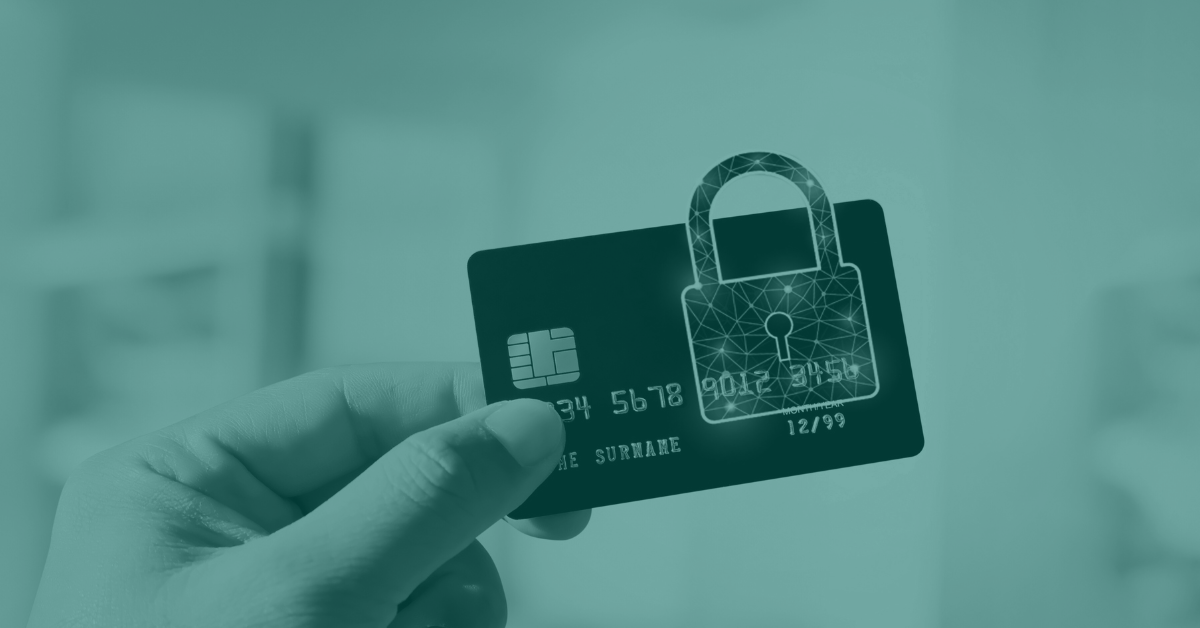
The growth of online commerce and digital payments has created new opportunities for consumers and businesses, but it has also increased the risks associated with stolen payment-card information. Names such as “Castro CC” may appear in discussions about alleged underground card-fraud activity, but the broader issue is much larger: stolen payment-card data remains a serious cybersecurity and financial-crime threat.
Understanding how payment information can be exposed Castrocvv, how fraud affects victims, and how security practices can reduce risk is essential in an increasingly digital economy.
What Is Stolen Payment-Card Data?
Stolen payment-card data refers to financial information obtained or used without the cardholder’s authorization. This may include payment credentials, account details, or other information needed to attempt unauthorized transactions.
Criminals may seek this information through:
- Phishing campaigns
- Malware
- Data breaches
- Fake shopping websites
- Social engineering
- Compromised online accounts
The methods may change over time, but the objective is often the same: obtain valuable financial information and use it for unauthorized activity.
Why Stolen Card Data Is a Growing Concern
Digital payments are now part of everyday life. Consumers use payment cards for shopping, subscriptions, travel, services, and online transactions.
This creates a large digital environment in which criminals may attempt to exploit:
- Weak passwords
- Insecure accounts
- Poorly protected websites
- Human error
- Compromised devices
Even a single compromised account can potentially create wider risks if the same password or personal information is used elsewhere.
The Broader Conversation Around Castro CC
References to names such as “Castro CC” may appear in online discussions about alleged card-fraud networks. However, claims about specific operations can be difficult to verify and may involve impersonation, scams, or misleading information.
The more important lesson is that underground payment-card activity represents a serious threat to:
- Consumers
- Merchants
- Financial institutions
- Payment processors
- The wider digital economy
Responsible discussion should focus on prevention, awareness, and defensive cybersecurity rather than promoting or enabling illegal activity.
How Payment-Card Information Can Be Compromised
Phishing
Fraudsters may imitate banks, retailers, delivery companies, or payment services to trick users into providing sensitive information.
Data Breaches
A compromised company database can expose customer information and create risks for large numbers of people.
Malware
Malicious software can compromise devices and potentially expose credentials or other sensitive information.
Social Engineering
Criminals may manipulate individuals into revealing information or approving actions they did not intend to authorize.
Account Takeovers
Weak or reused passwords can make online accounts more vulnerable to unauthorized access.
Warning Signs of Payment-Card Fraud
Consumers should monitor their accounts for unusual activity, including:
- Unrecognized transactions
- Small unfamiliar charges
- Unexpected security codes
- Login notifications from unknown devices
- Password-reset requests that were not initiated
- Unusual changes to account information
A suspicious transaction should be investigated promptly, even if the amount appears small.
How Consumers Can Protect Their Payment Information
Use Strong, Unique Passwords
Avoid reusing passwords across financial, shopping, and email accounts.
Enable Multi-Factor Authentication
Multi-factor authentication provides additional protection if login credentials are compromised.
Monitor Account Activity
Transaction alerts and regular account reviews can help identify suspicious activity quickly.
Be Careful With Unexpected Messages
Avoid clicking unfamiliar links or providing sensitive financial information in response to unsolicited messages.
Keep Devices Updated
Security updates can help protect against known vulnerabilities in operating systems and applications.
The Role of Businesses
Businesses also have an important responsibility to protect payment information.
Organizations can reduce risk by:
- Limiting access to sensitive data
- Securing payment systems
- Monitoring suspicious transactions
- Training employees to recognize phishing
- Updating software and security tools
- Maintaining incident-response procedures
Strong cybersecurity practices can help reduce financial losses and protect customer trust.
What to Do If You Suspect Fraud
If you believe your payment information has been compromised:
- Contact your bank or card issuer through an official channel.
- Review recent transactions for additional suspicious activity.
- Freeze or block the affected card if possible.
- Change passwords that may have been exposed.
- Enable multi-factor authentication.
- Watch for follow-up scams from people pretending to provide fraud assistance.
Taking action quickly can help limit further damage.
Why Responsible Cybersecurity Research Matters
Research into payment-card fraud can help security professionals understand emerging threats and improve defenses. Researchers may study fraud patterns, suspicious activity, and attack methods at a high level to help organizations detect and prevent financial crime.
However, responsible research should avoid providing operational instructions or access details that could enable illegal activity.
The goal should be to strengthen defenses, protect victims, and improve the security of payment systems.
Looking Ahead
The threat of stolen payment-card data is likely to remain an important cybersecurity concern as digital commerce continues to grow.
Financial institutions, merchants, technology companies, cybersecurity professionals, and consumers all have a role to play in reducing fraud. Better authentication, stronger monitoring, improved data protection, and greater public awareness can help create a safer digital payment environment.
Final Thoughts
The broader discussion surrounding names such as “Castro CC” reflects a much larger challenge: protecting payment information from theft and misuse.
Consumers can reduce their risk by using strong account security, monitoring transactions, avoiding suspicious messages, and responding quickly to unusual activity. Businesses must also invest in secure systems and effective fraud-prevention measures.
Stolen payment-card data can cause serious financial and personal harm. The most effective response is not to promote criminal networks, but to understand the risks they represent and strengthen the security practices that protect people and organizations.
