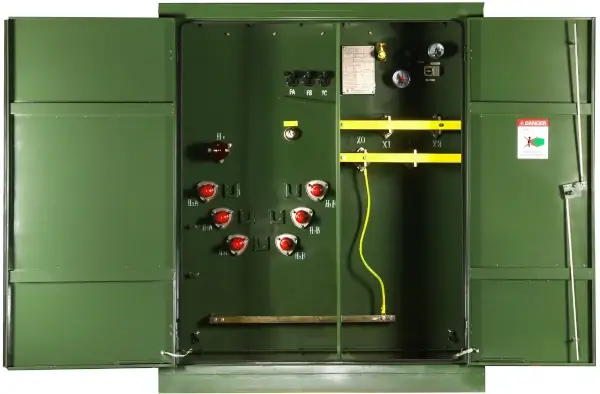
Choosing the right 3 phase pad mounted transformer is a critical decision for utility companies, industrial facilities, and commercial developers. These transformers play a vital role in stepping down high-voltage electricity from distribution lines to levels suitable for businesses, factories, and residential areas. Selecting the right transformer ensures reliability, efficiency, and safety, while minimizing long-term maintenance costs.
For anyone looking to invest in three phase pad mounted transformers, it’s important to understand the key features that impact performance, durability, and compliance. This buyer’s guide breaks down the essential factors to consider before making a purchase.
1. Transformer Capacity (kVA)
The first factor to consider when selecting a 3 phase pad mounted transformer is its capacity, typically measured in kilovolt-amperes (kVA). The capacity determines how much electrical load the transformer can safely handle.
Key Considerations:
- Load Requirements: Estimate the total electrical load your facility or project will require, including future expansions. Overloading a transformer can lead to overheating, reduced efficiency, and potential failure.
- Voltage Levels: Verify that the transformer’s primary and secondary voltage ratings match your distribution system. Standard ratings vary depending on application and location.
- Safety Margin: Choosing a transformer with a slightly higher capacity than your peak demand provides a safety buffer, ensuring stable operation even under unexpected load increases.
A properly sized three phase pad mounted transformer not only protects connected equipment but also improves energy efficiency and longevity.
2. Cooling Type
Transformers generate heat during operation, and effective cooling is essential to maintain optimal performance. Different three phase pad mounted transformers use various cooling methods.
Common Cooling Types:
- Oil-Immersed Transformers: Use insulating oil to dissipate heat from the core and windings. These are durable, reliable, and suitable for heavy-duty industrial applications.
- Dry-Type Transformers: Use air for cooling, eliminating the need for oil. These are safer for indoor installations and areas where environmental concerns or fire risks are significant.
- Forced-Air or Fan-Cooled Transformers: Equipped with fans to enhance cooling in high-load environments, ensuring stable performance during peak usage.
Selecting the right cooling type depends on the installation environment, load conditions, and maintenance capabilities. For outdoor and high-capacity applications, oil-immersed 3 phase pad mounted transformers are often preferred due to their robust performance.
3. Enclosure Design and Material
The enclosure of a three phase pad mounted transformer provides protection against environmental hazards, tampering, and physical damage. The design and material of the enclosure play a significant role in long-term reliability.
Key Features:
- Steel Construction: High-quality steel enclosures offer durability and resistance against impact.
- Weather Resistance: Transformers installed outdoors should be resistant to rain, snow, UV radiation, and corrosion. Powder-coated or galvanized finishes enhance protection.
- Tamper-Resistant Locks: Enclosures with secure locks prevent unauthorized access and enhance safety for the public.
- Accessibility for Maintenance: Doors and panels should allow easy access to terminals, gauges, and cooling systems for inspection and servicing.
A well-designed enclosure ensures that your 3 phase pad mounted transformer can withstand harsh conditions while minimizing maintenance challenges.
4. Safety Features
Safety is a critical factor when dealing with high-voltage equipment. Three phase pad mounted transformers should include features that protect both the transformer and people in the surrounding area.
Important Safety Features:
- Dead-Front Construction: Ensures that no live components are exposed when the enclosure is closed. This reduces the risk of electrical shock during operation and maintenance.
- Grounding Terminals: Proper grounding prevents electrical faults from damaging the transformer or connected equipment.
- Fuses and Protection Relays: Safeguard the transformer against overloads, short circuits, and other electrical anomalies.
- Pressure Relief Devices: In oil-filled transformers, these devices release excess pressure to prevent explosions or damage during abnormal conditions.
Selecting a transformer with advanced safety features reduces risk, protects personnel, and ensures regulatory compliance.
5. Compliance with Standards and Regulations
Transformers must meet strict industry standards to ensure safety, performance, and interoperability. When buying a 3 phase pad mounted transformer, verify that the product complies with relevant codes and certifications.
Common Standards:
- ANSI (American National Standards Institute): Governs performance, ratings, and safety requirements for electrical equipment.
- IEEE (Institute of Electrical and Electronics Engineers): Sets technical standards for transformer design, testing, and operation.
- NEMA (National Electrical Manufacturers Association): Provides guidelines for enclosure types, environmental protection, and operational quality.
- Local Utility Requirements: Some utility companies specify standards for pad mounted transformers in distribution networks.
Compliance ensures that your transformer meets industry best practices and can operate safely within your power distribution system.
6. Durability and Longevity
A three phase pad mounted transformer is a long-term investment. Durability is critical to minimize maintenance, prevent downtime, and maximize the lifespan of the equipment.
Key Factors:
- High-Quality Core and Windings: Core construction and winding material impact efficiency and heat resistance.
- Corrosion-Resistant Finishes: Outdoor transformers should resist rust, moisture, and UV damage.
- Sealed Enclosures: Protect internal components from dust, insects, and water ingress.
- Shock and Vibration Resistance: Ensures reliability in areas subject to environmental stress or heavy traffic.
Durable transformers reduce long-term costs and support consistent power delivery over decades.
7. Ease of Maintenance
Maintenance accessibility is often overlooked but is essential for operational efficiency. A 3 phase pad mounted transformer should allow technicians to inspect, service, and replace components easily.
Maintenance-Friendly Features:
- Removable Panels: Simplify access to internal components for inspections and repairs.
- Clear Labeling: Terminals, connections, and safety warnings should be clearly marked.
- Monitoring Devices: Some transformers include built-in temperature gauges or oil level indicators for proactive maintenance.
- Standardized Components: Using widely available parts simplifies replacement and reduces downtime.
A transformer that is easy to maintain reduces service costs and ensures long-term reliability.
8. Environmental and Operational Considerations
Understanding the environmental conditions of the installation site is crucial when choosing a three phase pad mounted transformer.
Factors to Consider:
- Temperature Range: Transformers should operate efficiently in both high- and low-temperature environments.
- Humidity and Moisture: Moisture-resistant designs prevent insulation degradation and reduce failure risk.
- Seismic or High-Vibration Areas: Shock-resistant models improve safety and reliability.
- Pollution and Dust Levels: Enclosures designed for dusty or industrial environments prevent contamination of internal components.
Selecting a transformer suited to the environmental conditions ensures consistent performance and reduces unexpected failures.
9. Additional Features to Consider
While the core features are critical, some additional attributes may enhance performance and usability:
- Load Tap Changers: Allow voltage adjustment without shutting down the transformer, providing flexibility in fluctuating load conditions.
- Monitoring Systems: Smart transformers with digital monitoring enable real-time analysis of temperature, load, and voltage levels.
- Noise Reduction: Transformers with sound-dampening features are ideal for installations near residential areas or offices.
- Customizable Enclosures: Some manufacturers offer paint colors or designs to match the aesthetic requirements of a site.
These features can improve efficiency, safety, and convenience, making your transformer investment more future-proof.
Conclusion
Investing in a 3 phase pad mounted transformer requires careful consideration of multiple factors, from capacity and cooling type to safety, compliance, and durability. By evaluating the key features outlined in this buyer’s guide, you can select a transformer that meets your operational needs, ensures safety, and supports long-term reliability.
A well-chosen three phase pad mounted transformer provides efficient power delivery, integrates seamlessly into underground distribution systems, and minimizes maintenance challenges. Prioritizing capacity, cooling, enclosure design, and compliance will help you make an informed decision and secure a reliable transformer that serves your facility or project for years to come.
By following this checklist, buyers can confidently choose the right transformer, ensuring safe, efficient, and durable performance across any commercial, industrial, or residential application.
