Credit cards have become an essential part of modern financial life. They provide convenience, flexibility, and access to digital payments for millions prozone cc of people around the world. Consumers use credit cards for online shopping, travel bookings, subscriptions, and everyday purchases. However, as credit card usage continues to grow, so do the risks associated with fraud and scams.
Cybercriminals constantly develop new techniques to trick consumers, steal financial information, and gain unauthorized access to accounts. These scams can affect anyone, regardless of technical knowledge or financial experience. Understanding common credit card scams and learning how to recognize warning signs are essential steps toward protecting personal and financial information.
Credit card security is not only about preventing unauthorized transactions. It also involves protecting personal data, practicing safe online habits, and using available security tools to reduce the risk of fraud.
Why Credit Card Scams Are Increasing
The growth of online shopping, mobile payments, and digital banking has created more opportunities for consumers but also expanded the attack surface for criminals. Every online transaction involves the exchange of valuable information, including payment details and personal data.
Several factors contribute to the rise of credit card scams:
- Increased use of online payments.
- More personal information being stored digitally.
- Sophisticated social engineering techniques.
- Greater reliance on mobile devices.
- Growth of fake websites and fraudulent applications.
Cybercriminals often target human behavior rather than technology itself. By creating convincing messages or fake scenarios, they attempt to convince users to reveal sensitive information.
Common Credit Card Scams
1. Phishing Emails and Messages
Phishing is one of the most common forms of credit card fraud. In these scams, criminals send fake emails, text messages, or social media messages pretending to represent banks, payment providers, or trusted companies.
These messages often claim there is a problem with an account, a suspicious transaction, or an urgent security issue. The goal is to convince victims to click a link and provide credit card details, passwords, or other personal information.
Signs of phishing attempts include:
- Unexpected requests for financial information.
- Urgent language demanding immediate action.
- Suspicious links or attachments.
- Messages from unfamiliar addresses.
- Spelling or grammar mistakes.
Consumers should verify messages directly through official websites or customer service channels instead of using links provided in suspicious communications.
2. Fake Online Shopping Websites
Fake shopping websites are designed to look like legitimate online stores. They may advertise attractive deals, discounted products, or limited-time offers to encourage users to enter payment information.
After collecting card details, criminals may misuse the information or use it for additional fraud attempts.
To stay protected:
- Purchase from trusted websites.
- Check website addresses carefully.
- Look for secure payment options.
- Avoid deals that appear unrealistic.
- Research unfamiliar online stores before making purchases.
A professional-looking website does not always guarantee that a business is legitimate.
3. Card Skimming
Card skimming occurs when criminals capture payment card information through unauthorized devices or compromised payment systems. Skimming has traditionally been associated with physical payment terminals, but criminals have also developed digital methods to target online transactions.
Consumers can reduce risks by:
- Using trusted payment terminals.
- Checking for unusual signs on payment devices.
- Monitoring account activity.
- Using secure digital payment methods when available.
Regular account monitoring is important because fraudulent activity may not always be immediately obvious.
4. Account Takeover Scams
Account takeover occurs when criminals gain unauthorized access to a person’s online account. They may obtain login credentials through phishing, data breaches, or weak passwords.
Once access is gained, attackers may attempt to make purchases, change account settings, or access stored payment information.
Protection methods include:
- Using strong, unique passwords.
- Enabling multi-factor authentication.
- Avoiding password reuse.
- Reviewing account security settings regularly.
Strong account protection reduces the chances of unauthorized access.
5. Fake Customer Support Scams
In customer support scams, criminals pretend to represent banks, credit card companies, or online businesses. They contact victims by phone, email, or messaging platforms and request sensitive information.
A legitimate financial institution will generally not ask customers to provide passwords or verification codes through unsolicited communication.
Consumers should:
- Avoid sharing security codes.
- Verify the identity of callers.
- Contact companies using official contact information.
- Be cautious of unexpected support requests.
6. Identity Theft Scams
Identity theft involves the misuse of personal information to impersonate another person. Criminals may use stolen details to access accounts, create fraudulent applications, or conduct unauthorized financial activities.
Protecting personal information is an important part of credit card security.
Consumers should avoid unnecessarily sharing:
- Full personal details.
- Account credentials.
- Security answers.
- Financial documents.
- Payment information.
How Businesses Help Prevent Credit Card Fraud
Businesses and financial institutions play a major role in reducing credit card scams. Modern payment systems use multiple security layers to protect customers.
Important security measures include:
Encryption
Encryption protects sensitive information by converting it into a secure format during storage and transmission.
Tokenization
Tokenization replaces actual card details with unique digital tokens during transactions. This reduces the exposure of payment information.
Fraud Monitoring
Banks and payment providers use advanced systems to analyze transactions and identify suspicious activity.
Multi-Factor Authentication
Additional verification methods help confirm customer identity and prevent unauthorized access.
Artificial Intelligence
AI-powered systems analyze transaction patterns to identify unusual behavior and detect possible fraud.
Effective Ways Consumers Can Stay Protected
Consumers can significantly reduce their risk of becoming victims of credit card scams by following simple security practices.
Monitor Transactions Regularly
Review credit card statements and transaction alerts frequently. Early detection can prevent small problems from becoming larger financial issues.
Enable Security Notifications
Many financial institutions offer alerts for purchases, login attempts, and unusual activity. These notifications help users respond quickly to potential threats.
Keep Devices Updated
Operating system and application updates often include important security improvements. Keeping devices updated reduces vulnerabilities that attackers may exploit.
Use Secure Networks
Avoid conducting sensitive financial activities on unsecured public Wi-Fi networks. When possible, use trusted networks or secure connections.
Be Careful With Personal Information
Limit the amount of personal information shared online. Criminals often use publicly available details to create convincing scams.
Report Suspicious Activity
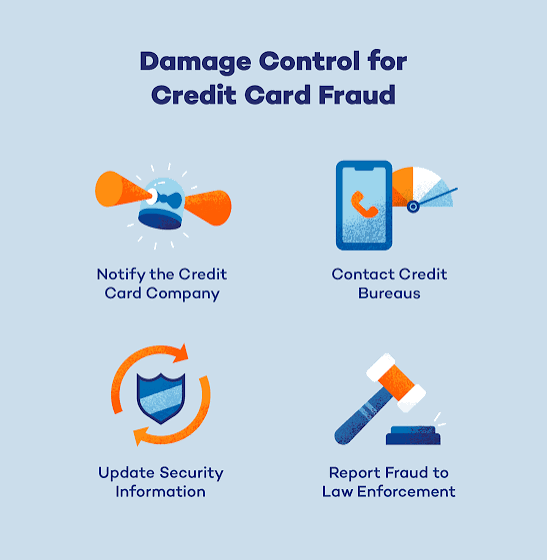
If unauthorized activity is detected, contact the financial institution immediately. Quick reporting can reduce potential losses and help prevent further misuse.
The Role of Cybersecurity Awareness
Awareness is one of the strongest defenses against credit card scams. Many successful fraud attempts depend on convincing people to ignore warning signs or make quick decisions.
Consumers should develop the habit of:
- Questioning unexpected requests.
- Verifying information before responding.
- Avoiding emotional reactions to urgent messages.
- Learning about new scam techniques.
- Following secure payment practices.
Cybersecurity awareness helps individuals recognize threats before they cause harm.
Future Trends in Credit Card Security
As fraud techniques evolve, payment security technologies will continue to improve. Future credit card protection may include more advanced artificial intelligence systems, stronger identity verification, biometric authentication, and improved fraud prevention tools.
Financial institutions and technology companies are investing in solutions that make payments safer while maintaining convenience for consumers.
The future of secure payments depends on combining innovative technology with responsible user behavior.
Conclusion
Credit card scams remain a serious challenge in today’s digital economy, but awareness and preparation can significantly reduce risks. Phishing prozone.st attacks, fake shopping websites, account takeovers, identity theft, and other fraud methods continue to evolve, making it important for consumers to stay informed.
Protecting credit card information requires a combination of strong passwords, multi-factor authentication, careful online behavior, transaction monitoring, and awareness of common scam techniques.
Businesses and financial institutions continue developing advanced security solutions, but consumers also play a critical role in maintaining payment safety. By staying cautious, protecting personal information, and responding quickly to suspicious activity, individuals can enjoy the convenience of digital payments while reducing the risk of financial fraud.
